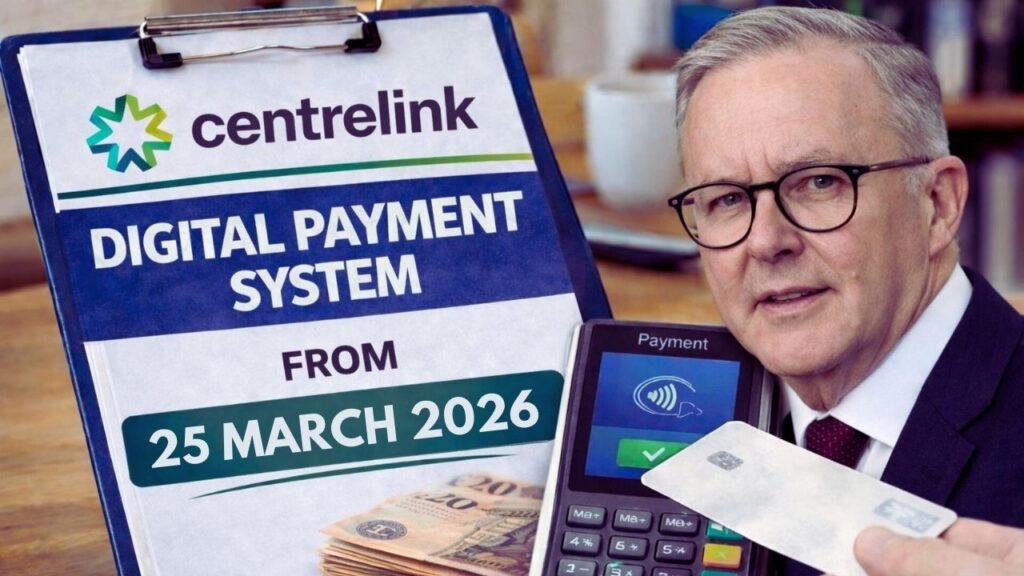
If you’re getting the Age Pension or another Centrelink pension payment in Australia, you may have noticed some changes hitting your bank account around late March 2026. These updates usually come from the regular indexation that happens twice a year—in March and September—to help keep payments in line with living costs. While the official change kicked in from 20 March 2026, many people see the new amounts reflected in payments around the end of the month depending on their payment date. Here’s a clear breakdown of what changed, how much extra you’re getting, and what it means for your weekly cash flow.
What Changed in the March 2026 Update?
The Australian government adjusts pension rates based on a mix of indexes like the Consumer Price Index (CPI), the Pensioner and Beneficiary Living Cost Index, and average weekly earnings. This March, the increases were moderate but helpful for covering rising costs.
For the maximum full Age Pension, the new fortnightly rates from 20 March 2026 are:
- Single: $1,200.90 per fortnight
- Couple (each): $905.20 per fortnight
- Couple combined: $1,810.40 per fortnight
This works out to an increase of $22.20 per fortnight for singles (about $11.10 per week) and $33.40 combined for couples (around $16.70 per person per fortnight, or roughly $8.35 per week each).
- These amounts include the base rate, pension supplement, and energy supplement.
- Part pensioners get a proportional increase based on their current payment level.
Many pensioners also saw small boosts to income and asset test cut-off points, which can help if you’re on a part pension or close to the threshold.
How This Affects Your Weekly Payments
Centrelink pays pensions fortnightly, but people often think in weekly terms for budgeting. Here’s how the changes translate roughly to a weekly view:
- Single full pension: Around $600.45 per week (up from previous by about $11.10 weekly).
- Couple (each): Around $452.60 per week (up by about $8.35 weekly per person).
The extra money isn’t huge, but it adds up over the year—singles get an extra $577.20 annually from this indexation alone. It helps stretch your budget for groceries, utilities, or other everyday expenses.
Keep in mind that not everyone gets the full increase right away. It can take a couple of payment cycles to show up fully, especially if your payment date falls right around the changeover.
Other Related Adjustments
Along with the payment rates, deeming rates for financial assets went up slightly too. This affects part pensioners with savings, shares, or other investments:
- Lower deeming rate: Now 1.25% on the first $64,200 (singles) or $106,200 (couples combined).
- Upper deeming rate: 3.25% on amounts above that.
This means some part pensioners might see a small reduction in their pension if they have significant financial assets, as more “deemed” income is counted under the income test. However, the higher payment rates and increased asset/income thresholds often balance this out for many people.
The March 2026 Centrelink pension update brings a modest but welcome boost to help Australian seniors and other pension recipients keep up with living costs. Singles get an extra $22.20 fortnightly (about $11 per week), while couples see $33.40 more combined. These indexation changes are automatic for eligible recipients—no need to apply—and they show the system’s built-in way to adjust for inflation and wages. If your payment seems different than expected, check your Centrelink account or contact Services Australia to confirm your specific rate.
FAQs
When did the new pension rates start?
The updated rates apply from 20 March 2026, though you might see them in your payment at the end of March or early April depending on your schedule.
How much extra do I get per week?
For a single full pensioner, it’s roughly $11.10 more per week. Couples get about $8.35 extra per person per week.
Will part pensioners get the full increase?
No, part pensioners get a proportional boost based on their current payment. The higher income and asset cut-offs can also help some people qualify for more.
Do I need to do anything to get the increase?
No, it’s automatic. Just keep your details up to date with Centrelink. If you’re unsure about your new amount, log in to myGov or call them.