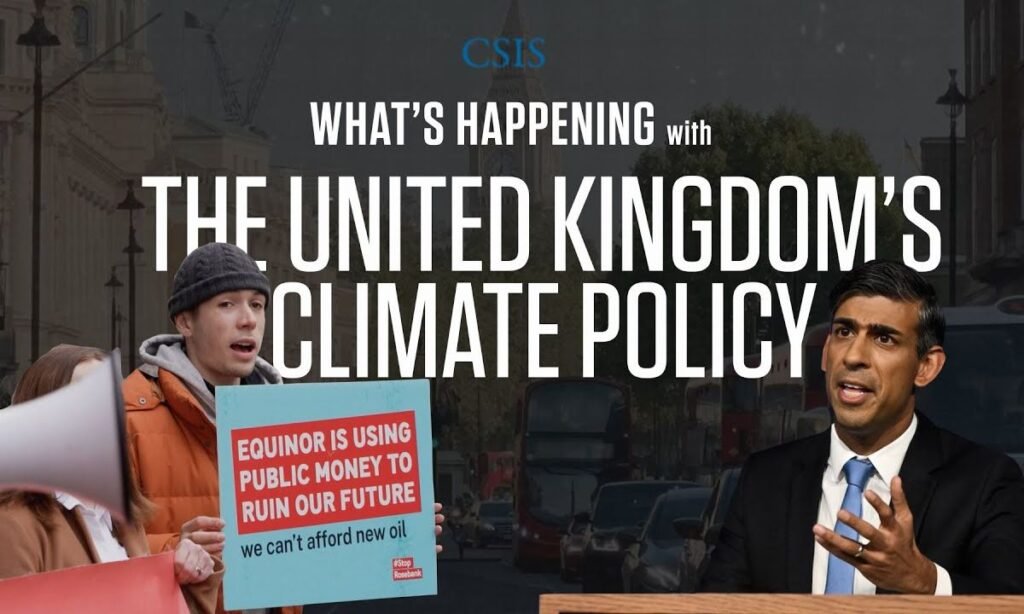
Governments around the world have spent years promising bold steps to fight climate change. From international summits to national pledges, leaders regularly declare they are taking the crisis seriously. Yet many citizens and experts are starting to ask a tough question: Are these actions real, or is much of it carefully crafted political theater designed to look busy while avoiding painful choices?
The Gap Between Promises and Delivery
World leaders frequently stand at podiums to announce ambitious targets—net-zero emissions by mid-century, massive renewable energy expansions, or phasing out coal. These announcements generate headlines and applause. In practice, however, follow-through often stalls. Many countries that signed major climate agreements continue approving new fossil fuel projects, expanding highways, and subsidizing oil and gas industries at levels that dwarf their clean-energy investments. The pattern has left observers wondering whether the rhetoric is matched by the reality on the ground.
Why Political Incentives Favor Appearance Over Results
Politicians face short election cycles, usually four to five years. Meaningful climate progress—replacing entire energy systems, retrofitting millions of buildings, shifting transportation—takes decades and frequently involves unpopular decisions. Raising energy prices, limiting car use, or closing high-emission factories can trigger immediate backlash from voters and powerful industry groups. Announcing distant future goals, on the other hand, costs little today and earns praise from environmental advocates and international partners. The mismatch creates strong incentives to prioritize optics over substance.
Common Tactics That Signal Posturing
Several recurring strategies make government climate commitments appear stronger than they actually are:
- Setting long-term targets without enforceable short-term milestones
- Claiming credit for projects already underway before the current administration took office
- Announcing the same recycled funding packages multiple times under new names
- Highlighting percentage improvements from very low starting points while total emissions stay flat or rise
These approaches allow officials to maintain a green image without forcing structural changes that would disrupt existing economic interests.
Where Genuine Progress Actually Happens
Despite widespread skepticism, some places are showing concrete results. Certain smaller nations and a handful of U.S. states have enacted policies that measurably cut emissions—through carbon pricing, aggressive building codes, or rapid deployment of wind and solar. Cities in Europe and parts of Asia have transformed public transit and urban planning to reduce car dependency. These efforts usually share a few traits: strong local leadership, public support for change, and policies that spread costs fairly rather than concentrating them on specific groups. The contrast with national-level inaction only sharpens the question of political will at the highest levels.
The Cost of Continued Posturing
When governments talk big but deliver little, trust erodes. Citizens grow cynical, activists become disillusioned, and businesses hesitate to invest in uncertain clean-energy markets. Meanwhile, the window for avoiding the worst climate impacts steadily closes. Genuine action requires uncomfortable trade-offs—higher short-term costs for long-term stability, reduced consumption in wealthy nations, and real accountability for polluters. Posturing delays those hard conversations and shifts the burden onto future generations.
Final Thoughts
Climate change is too urgent and too large for symbolic gestures to suffice. Governments that truly want to lead must move beyond press releases and photo opportunities. They need transparent plans, binding timelines, and the courage to confront vested interests. Until that shift happens, the public is right to keep asking whether the endless stream of climate announcements represents serious intent—or simply another chapter in the long tradition of political posturing.