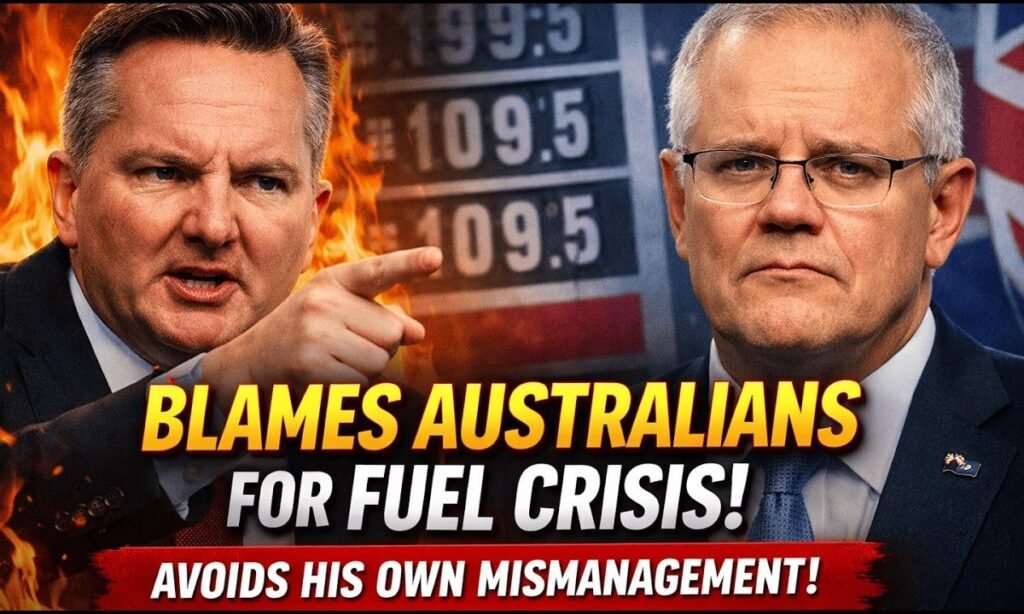
Australia’s ongoing fuel supply disruptions have ignited fierce debate, with Climate Change and Energy Minister Chris Bowen facing sharp criticism. Many accuse him of shifting responsibility onto everyday drivers and panic buyers rather than addressing potential shortcomings in government planning. The controversy highlights growing frustration amid empty pumps in some areas and uncertainty over future supplies.
The Spark of the Controversy
Recent comments from the Energy Minister have drawn widespread attention. Bowen described certain consumer behaviors, such as rushing to fill up jerry cans or topping off tanks excessively, as “un-Australian.” He pointed to sudden spikes in demand as a major factor worsening shortages, particularly in regional communities where fuel has been hardest to find. Critics argue this framing overlooks deeper issues and places undue blame on ordinary people already dealing with high living costs.
Opposition figures have seized on the remarks, claiming they show a pattern of inconsistent messaging. One day there was no crisis, the next consumers were at fault, and soon after a national emergency was acknowledged. This flip-flopping, they say, erodes public trust in how the situation is being managed.
Timeline of Mixed Signals
The fuel troubles escalated quickly against the backdrop of global tensions, especially in the Middle East. Early on, assurances came that supplies remained secure thanks to government efforts and incoming shipments. Yet within days, reports surfaced of petrol stations running dry, especially in New South Wales and rural zones.
Bowen eventually declared a national crisis and announced measures like releasing reserves and temporarily easing fuel quality rules to ease pressure. He also appointed a fuel supply coordinator to oversee distribution. Despite these steps, the rapid shift in tone—from denial to urgency—has fueled accusations that the response was reactive rather than proactive.
Why the Public Blame Hits a Nerve
Many Australians feel the minister’s words sting because households are already stretched thin. Filling up more frequently or stocking extra fuel seems like a practical reaction to long lines and fears of empty stations, not reckless behavior.
- Drivers in regional areas often rely on diesel for work vehicles and have limited alternatives when pumps run dry.
- Cost-of-living pressures make every extra dollar at the pump feel significant, so people act to protect their mobility.
- Past experiences with supply disruptions have taught many to prepare ahead rather than risk being caught short.
- Service station staff have reported increased tension and even abuse from frustrated customers, showing how high emotions are running.
These points underline why suggestions of “panic buying” as the core problem have provoked strong pushback.
Government Actions Under Scrutiny
In response to the shortages, the government has moved to adjust stockholding rules for fuel companies, aiming to redirect supplies more effectively to affected regions. Emergency meetings with retailers and the competition watchdog have also taken place to monitor pricing and ensure fair dealings.
The opposition continues to question whether enough was done earlier to build resilience. They highlight that Australia has long fallen short of international benchmarks for fuel reserves, leaving the country vulnerable when global events disrupt flows.
Looking Ahead Amid Uncertainty
As supplies remain shaky beyond the coming weeks, calls grow for clearer communication and stronger contingency planning. Bowen has stressed that shipments continue to arrive and that measures are in place to stabilize things. Still, the episode has left many wondering if lessons from this disruption will lead to lasting improvements in energy security.
The fuel crisis serves as a reminder of how interconnected global events, domestic policy, and everyday choices can become. While fingers point in different directions, Australians continue navigating higher prices and spot shortages with resilience and growing calls for accountability.