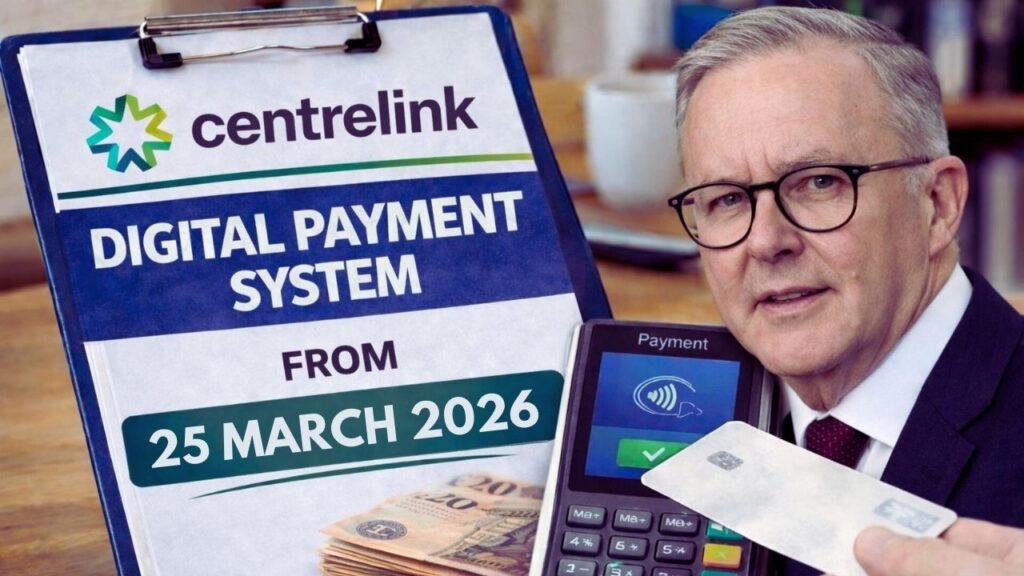
Starting this year, the Australian government is rolling out a significant update to how Centrelink manages its distribution. For millions of Australians who rely on these funds for daily essentials, the new 2026 payment schedule marks a shift toward a more predictable and streamlined system. This update is designed to remove the guesswork from budgeting and ensure that recipients across the country are on the same page.
Understanding the 2026 Schedule Shift
Historically, Centrelink payments could sometimes feel a bit fluid, shifting based on when you first signed up or how your specific reporting period fell. The 2026 update moves toward a structured national calendar. Starting in March 2026, the system will prioritize fixed deposit days based on the specific benefit type rather than individual registration dates.
This means that if you are on the Age Pension, your “payday” will now align with a national cycle, making it much easier to plan for rent, groceries, and utility bills.
- The system aims to sync payments across all states and territories to prevent regional delays.
- Fixed cycles help reduce the “payment gap” often felt during long months.
Why the Change is Happening Now
The primary driver behind this overhaul is financial stability. With the cost of living remaining a top concern for many households, even a two-day delay in a payment can cause significant stress. By moving to a more rigid, predictable schedule, Services Australia is looking to provide a “safety net of certainty.”
When you know exactly when the money will hit your account, you can set up automated direct debits for your bills with more confidence. This reduces the risk of overdrawing your account or missing a payment because the “fortnightly” cycle shifted slightly due to a leap year or administrative processing lag.
Impact on Reporting and Public Holidays
One of the most important things to note about the new 2026 system is how it interacts with reporting requirements. If you are required to report your income (common for JobSeeker or Youth Allowance), your reporting window will now be more strictly aligned with these national deposit dates.
- If a scheduled payment date falls on a public holiday, the system is now programmed to trigger an early payment automatically.
- You may still need to report your earnings earlier than usual during these holiday blocks to ensure the funds are released on time.
How to Navigate the New System
The best way to stay on top of these changes is through the digital tools already at your disposal. While the national schedule provides the framework, your specific dates will always be visible in your myGov account or the Express Plus Centrelink app.
Checking these platforms regularly is the best way to see your “next payment date” and any adjusted reporting deadlines. It’s also a good time to ensure your bank details are up to date, as the new system relies heavily on automated direct deposits to maintain the new, faster tempo.
The 2026 Centrelink payment schedule update is a welcome change for those looking for more consistency in their financial lives. By moving to a fixed, national cycle, the government is making it easier for Australians to manage their budgets and reduce the stress of “payment day” uncertainty. While the transition might take a little getting used to, the long-term benefit of a more predictable system is a win for everyone involved.
FAQs
Will my payment amount change under the new schedule?
No, the update only affects when you receive your money, not how much you get. Any changes to your payment amount would be due to standard indexation or a change in your personal circumstances.
What happens if my payment date falls on Good Friday or Easter Monday?
Under the new 2026 guidelines, payments that fall on a public holiday are generally processed early. You will likely see the funds in your account the business day before the holiday.
Do I need to do anything to switch to the new schedule?
Most recipients do not need to take any action. The system will update automatically. However, it is always a good idea to check your myGov inbox for any specific notices regarding your reporting dates.
Is this change happening for all types of payments?
Yes, the 2026 update covers the majority of major payments, including the Age Pension, JobSeeker, Disability Support Pension, and Family Tax Benefit.
Last updated: 17 Mar 2026 (UK Time)