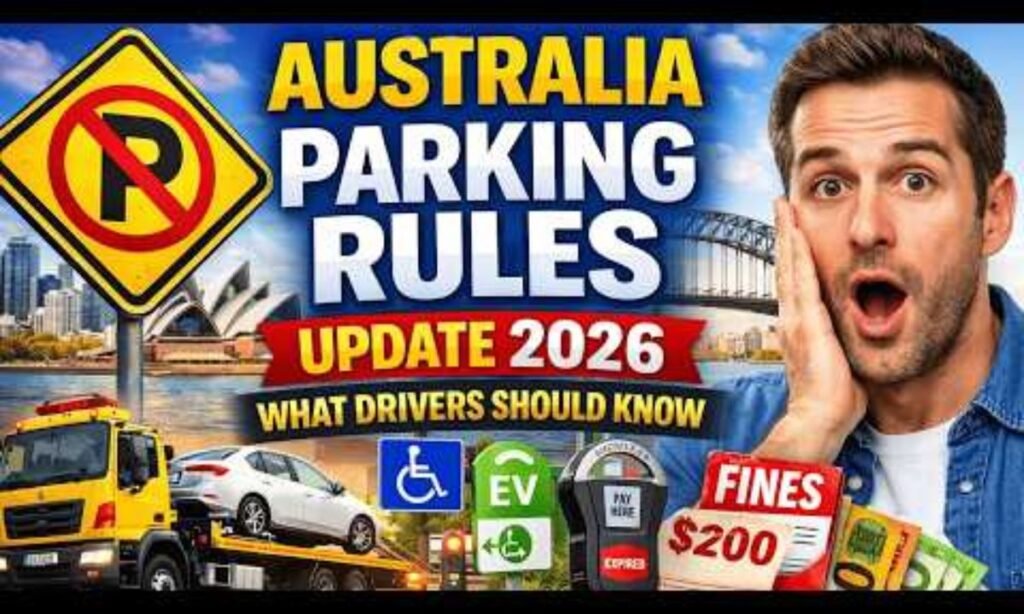
Parking in Australia just got stricter in 2026, with new enforcement measures rolling out across states and territories. Drivers now face higher penalties, more automated monitoring, and tougher rules aimed at keeping roads clear, protecting vulnerable users, and supporting the shift toward electric vehicles. Staying informed helps you avoid unexpected fines and contributes to safer streets for everyone.
Why Parking Rules Got Tougher This Year
Authorities have updated parking regulations to tackle growing congestion, improve safety for pedestrians and cyclists, and ensure fair access to limited spaces. Many cities now rely on AI-powered sensors, mobile cameras, and number plate recognition systems that catch violations faster than ever before. The focus has shifted toward preventing dangerous habits, such as blocking pathways or misusing special bays. These changes reflect a nationwide push to make urban areas more livable while accommodating rising electric vehicle use.
Key Changes Targeting Electric Vehicle Charging Spots
One of the biggest updates involves dedicated EV charging bays. Parking a non-electric vehicle—or “ICEing”—in these spots now draws serious penalties in most areas. The goal is to keep chargers available for drivers who need them, especially as EV adoption grows.
- Parking a petrol or diesel car in an EV charging bay can trigger fines starting from several hundred dollars, with some regions imposing penalties well over $2,000.
- Blocking an EV spot without charging actively is treated as a high-priority offense in places like New South Wales, Victoria, and the ACT.
- Queensland emphasizes a “park it, plug it” approach, with substantial fines for violations to protect the charging network.
- Authorities in multiple states have standardized these rules to ensure consistency and deter misuse.
These measures help maintain accessibility for EV owners and reduce frustration at public charging stations.
Common Violations and Their Penalties
Many everyday parking mistakes now carry steeper consequences. Overstaying time limits, ignoring clearway restrictions, or parking too close to intersections can quickly lead to tickets. Enforcement has intensified in high-risk zones, including school areas, pedestrian paths, and emergency access routes.
Fines for standard offenses often begin around $300 and climb higher for safety-related breaches. Blocking footpaths or driveways remains a frequent issue, with councils cracking down to prevent hazards for people on foot or bikes. Towing has become more common for repeated or serious violations, adding extra costs and inconvenience.
Special Parking Permits and Accessibility Rules
Rules for disabled parking bays have tightened significantly. Only vehicles displaying a valid permit can use these spaces, and misuse now results in some of the highest fines available. Authorities stress that these spots exist to support mobility for those who need them most.
Residential parking permits in built-up areas often come with new limits on visitor parking or time restrictions. Drivers should check local council guidelines, as requirements vary by suburb. Digital apps and payment systems have expanded, making it easier to comply but also simpler for authorities to detect overstays.
Tips to Stay Compliant and Avoid Trouble
Smart habits go a long way toward keeping your record clean. Always read signs carefully, including time limits, permit requirements, and any special conditions. Pay attention to road markings like yellow lines or clearway indicators.
Use official parking apps where available to extend sessions or locate spots. Leave extra space when parallel parking—rules generally require at least one meter from other vehicles and three meters at intersections in many places. Park responsibly to avoid blocking paths, and never assume an empty spot is free if signage suggests otherwise.
Looking Ahead: Safer Streets for All
The 2026 updates signal a broader effort to balance convenience with community safety and sustainability. By following the rules, drivers help reduce congestion, protect vulnerable road users, and support cleaner transport options. Taking a few extra moments to park thoughtfully can prevent costly fines and make roads better for everyone.