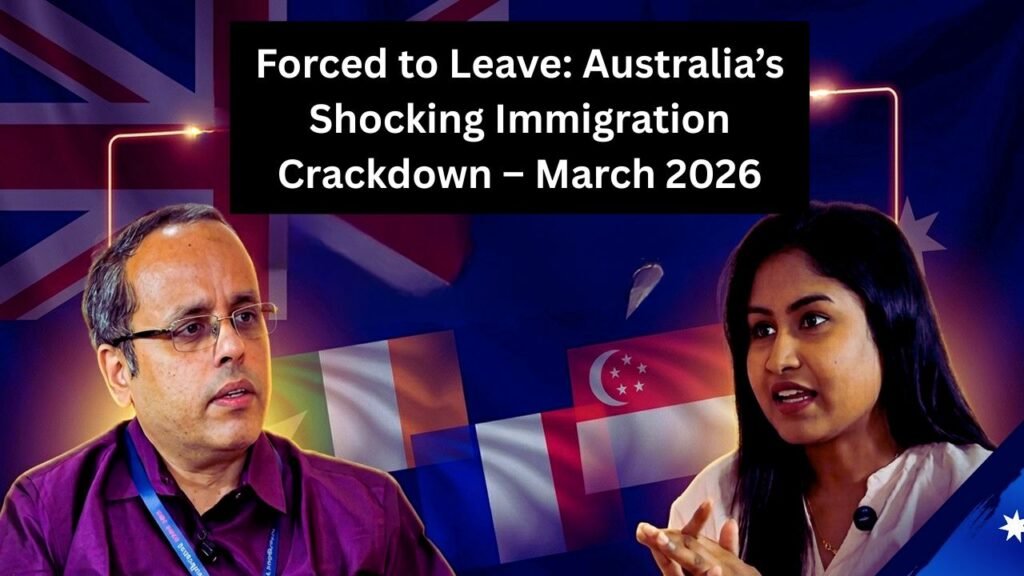
The Australian government has introduced sweeping changes to its immigration system in March 2026, sparking widespread concern among temporary visa holders, international students, and migrants. New laws passed mid-March give the Home Affairs Minister broad powers to suspend entry or travel rights for entire groups of temporary visa holders, often linked to global crises like the renewed Middle East conflict. Reports suggest thousands are facing sudden visa issues, leading to fears of being forced to leave Australia.
These measures, part of the Migration Amendment (2026 Measures No. 1) Act 2026, aim to prevent visa overstays and maintain border integrity. While some see it as necessary security, critics call it a shocking crackdown with limited oversight.
Key Changes Under the New Laws
The core shift came with Royal Assent on March 13, 2026, and powers effective from March 14. The big tool is the “arrival control determination”:
- Allows the Home Affairs Minister (with PM and Foreign Affairs Minister support) to block temporary visa holders from specific countries or regions from entering Australia.
- Suspensions last up to six months, renewable.
- Applies to visas like tourist, student, working holiday, and some training visas.
- Can freeze travel even if someone is already in transit—leading to mandatory detention or deportation on arrival in some cases.
This replaces older individual visa cancellation processes with faster, group-based actions to respond to risks like potential overstays during international instability.
Other related tightenings in March 2026 include:
- Stricter rules for Training visa (subclass 407)—applications now invalid unless sponsor and nomination are pre-approved.
- Course transfer bans for some international students starting late March.
- Ongoing efforts to curb “visa hopping” (switching visas to extend stays), with higher scrutiny on genuine study or work intent.
These build on earlier 2026 reforms like higher graduate visa fees and salary thresholds for skilled visas.
Who Is Most Affected?
Temporary visa holders from certain conflict-affected regions face the highest risk. International students and short-term visitors could see sudden travel bans or entry refusals.
- People on student visas or planning to start courses may face disruptions if from targeted areas.
- Training visa applicants (407) now hit roadblocks if paperwork isn’t sequenced perfectly—some must leave Australia while waiting.
- Those with expiring visas or appeals pending might lose bridging options or face quicker removal.
Full permanent residents and citizens remain unaffected, but the changes signal a tougher stance on temporary migration overall.
Why Now? The Background
The government says these powers address risks from global events, like Middle East tensions, where people might not depart at visa end. It prevents waves of overstays without needing case-by-case cancellations.
Critics argue it gives too much unchecked power to the minister, risks punishing innocent people (including victims of conflict), and could harm Australia’s education sector and international reputation. Some call it rushed through parliament with limited debate.
March 2026 marks a sharp turn in Australia’s immigration approach, with new powers allowing quick suspensions that could force many temporary visa holders to leave or cancel plans. While aimed at protecting borders and preventing abuse, the changes have left thousands anxious about their status. If you’re on a temporary visa, especially from higher-risk regions, review your situation urgently via the Department of Home Affairs website or a registered migration agent. These rules show migration policy tightening further in 2026—staying compliant and informed is key.
Last updated: 19 Mar 2026 (UK Time)